

Partnerships for
Tribal Carbon Solutions
Partnerships for Tribal Carbon Solutions (PTCS), a program of Global Ocean Health, operates nationwide with three core goals: Engaging Tribes in assessing carbon removal opportunities and risks, supporting Tribes to develop leadership in carbon removal development and governance, and assisting Tribes in leveraging carbon removal to meet climate targets and advance community objectives for environmental health and stewardship.
New Resources Support Tribal Nations to Navigate Growing Carbon Removal Industry
Partnerships for Tribal Carbon Solutions and partners have released a new report and companion resources to support Tribal Nations navigating the growing carbon dioxide removal industry. The materials are designed to help Tribes evaluate proposals, consider ownership and governance models, and assess whether carbon removal may serve their priorities. Access the report and supporting materials.
Join our Forest Biomass Learning Network!
Tribal forestry staff, carbon removal companies, and other partners are invited to join our Forest Biomass Learning Network. Learn more.
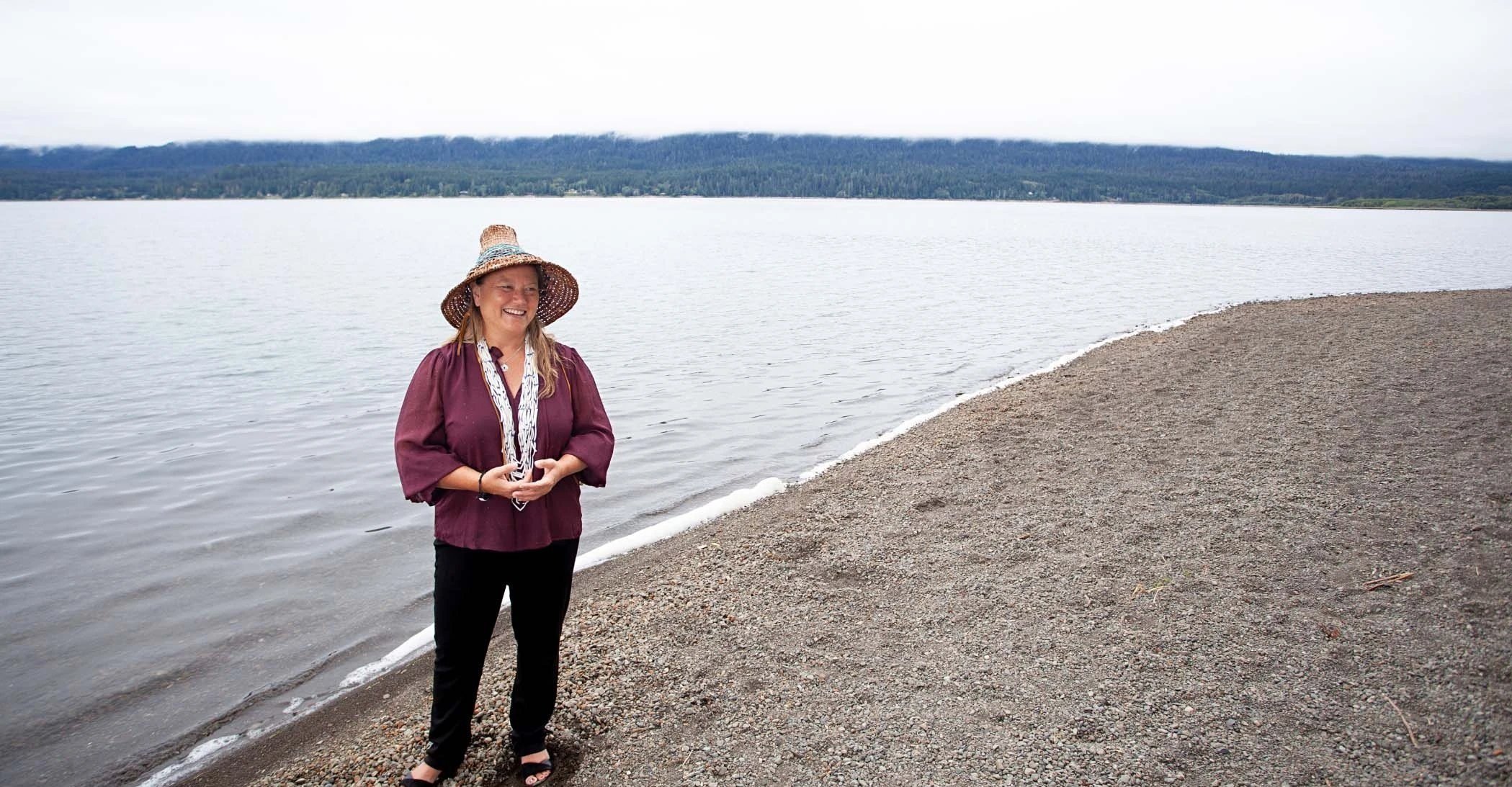

Partnerships for Tribal Carbon Solutions (PTCS) is a program of Global Ocean Health. This program exists thanks to the vision of the late Terry Williams, who helped conceive and create this team and co-convened our first intertribal meeting. Terry was a revered natural resource manager at the Tulalip Tribes and an internationally known leader in environmental problem-solving. He established the EPA’s Indian Office under President Clinton, contributed to significant U.S. and regional climate change policies, and shaped UN policies on Indigenous rights. Terry's foresight into the critical role of Tribes in the emerging field of carbon dioxide removal (CDR) continues to guide our mission.
-

The Work
Tribal involvement is crucial if human societies are to rise to this challenge and establish a strong, just, and lasting regime of carbon removal and climate restoration.
-
New Report and Resources Equip Tribal Nations to Navigate Growing Carbon Removal Industry
A new report and companion resources from the Supporting Tribal Sovereignty in Carbon Removal (TSCR) initiative support Tribal Nations as they evaluate carbon dioxide removal proposals, partnerships, ownership models, and potential impacts on Tribal lands, waters, rights, and resources. TSCR is a joint effort of Global Ocean Health’s Partnerships for Tribal Carbon Solutions, the Indigenous Greenhouse Gas Removal Commission (IGGRC), the Carbon Business Council, and the Institute for Responsible Carbon Removal at American University.
-

Tribal Carbon Solutions
A publication designed to support Tribes and Indigenous communities, as well as their technical advisors and collaborators, as they take up an emerging class of climate solutions known as carbon dioxide removal.
News
-
New Report and Resources Equip Tribal Nations to Navigate Growing Carbon Removal Industry
June 2026PTCS, the Indigenous Greenhouse Gas Removal Commission, the Carbon Business Council, and the Institute for Responsible Carbon Removal at American University have released a new report and companion resources to support Tribal Nations navigating the growing carbon dioxide removal industry. The materials are designed to help Tribes evaluate CDR proposals, consider ownership and governance models, and assess whether and how carbon removal may serve their environmental, cultural, and economic priorities.
-
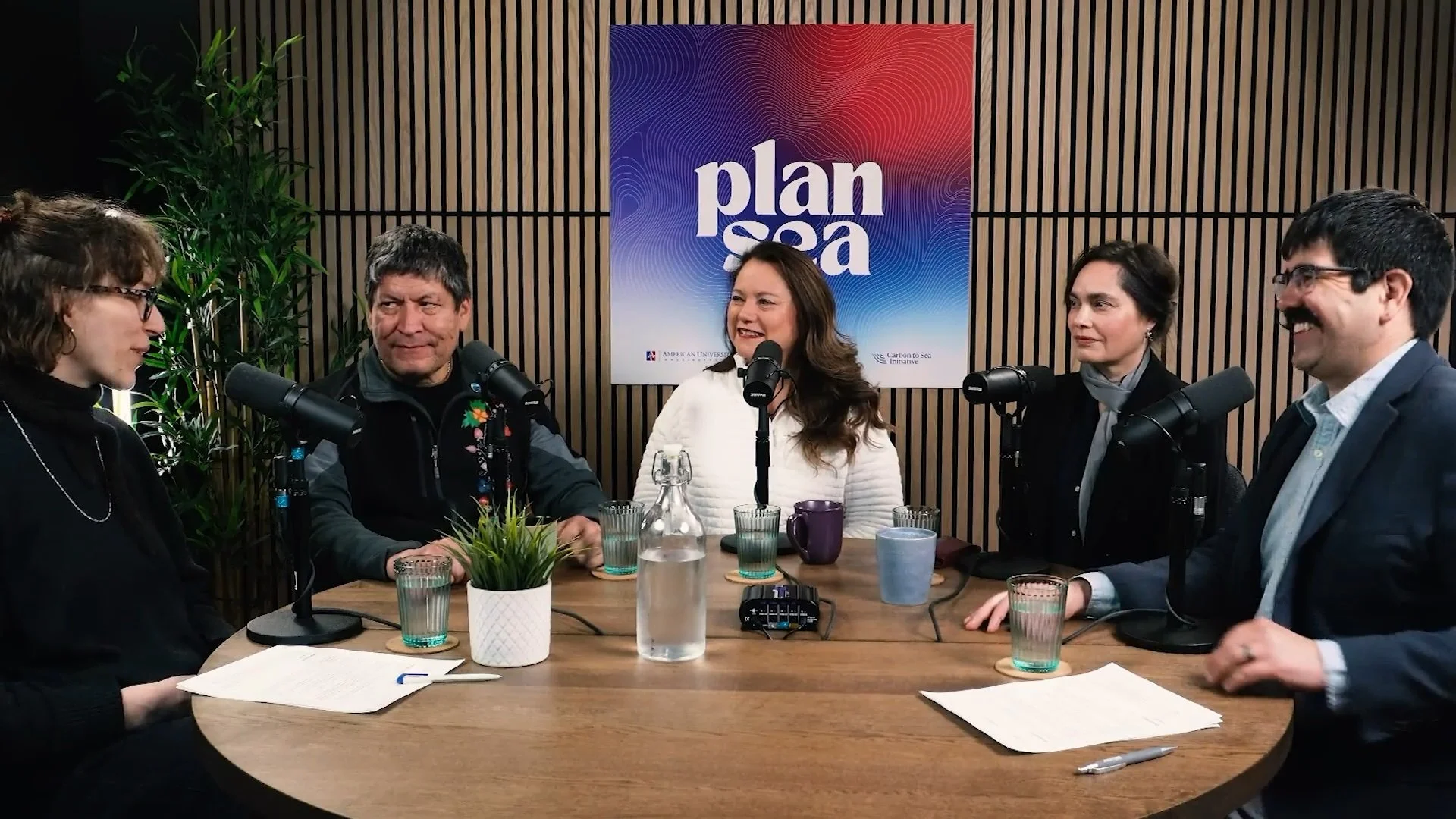
Plan Sea Podcast - Indigenous Leaders on the Role of Indigenous Knowledge in Ocean Climate Solutions
May 2026Fawn Sharp, President of the IGGRC, and Francesca Hillery, PTCS & IGGRC Director of External Affairs & Partnerships, joined a recent episode of Plan Sea recorded at Carbon to Sea’s 2026 Annual Convening in Halifax, Nova Scotia. In conversation with hosts Anna Madlener and Danny Gawlowski, Fawn and Francesca joined Ken Paul, Principal of Pokiok Associates and member of the Wolastoqey Nation at Neqotkuk, to discuss Indigenous knowledge systems, ocean-based carbon dioxide removal, and the future of ocean alkalinity enhancement.
-
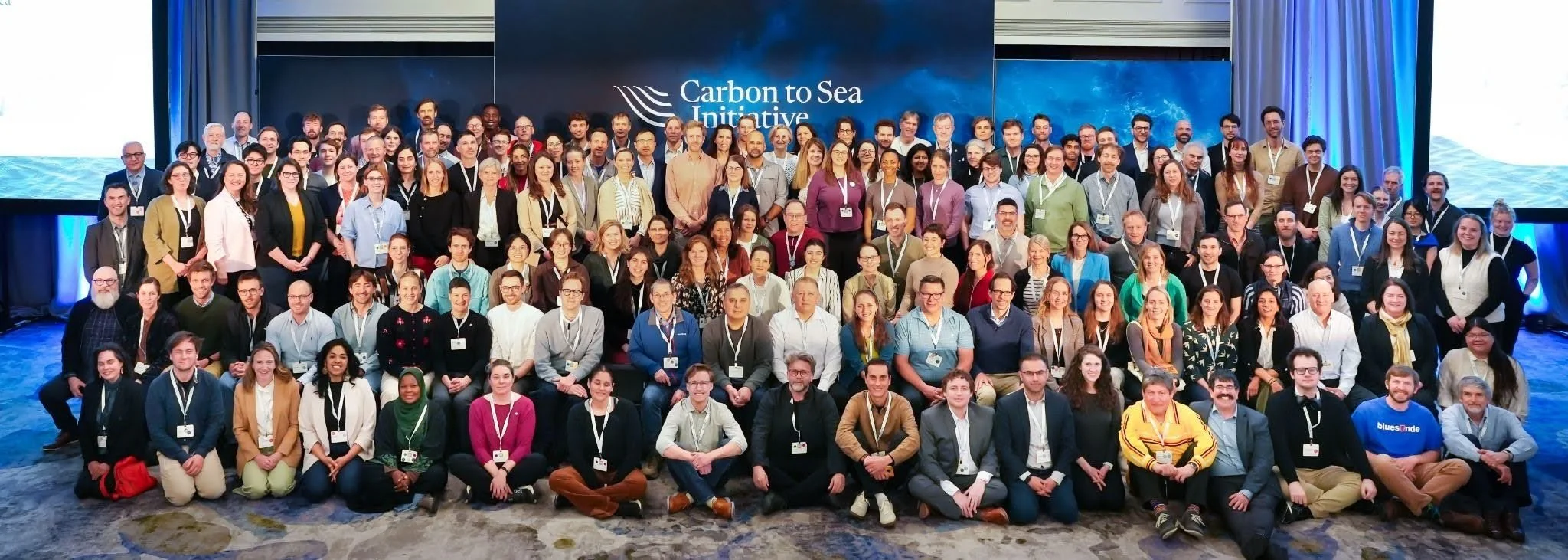
Fawn Sharp & Francesca Hillery particpate in Carbon to Sea’s annual OAE Convening in Halifax
May 2026Fawn Sharp and Francesca Hillery participated in Carbon to Sea’s fourth Annual Convening in Halifax, Canada, joining researchers, policymakers, industry leaders, and civil society representatives from across the ocean carbon dioxide removal field. The convening focused on ocean alkalinity enhancement and related marine carbon dioxide removal approaches, with discussions exploring scientific research, governance, community engagement, measurement and monitoring, and pathways for responsible development grounded in Indigenous leadership and governance perspectives.
Learn more about the convening from Carbon to Sea, including a video of Fawn Sharp’s opening remarks
-
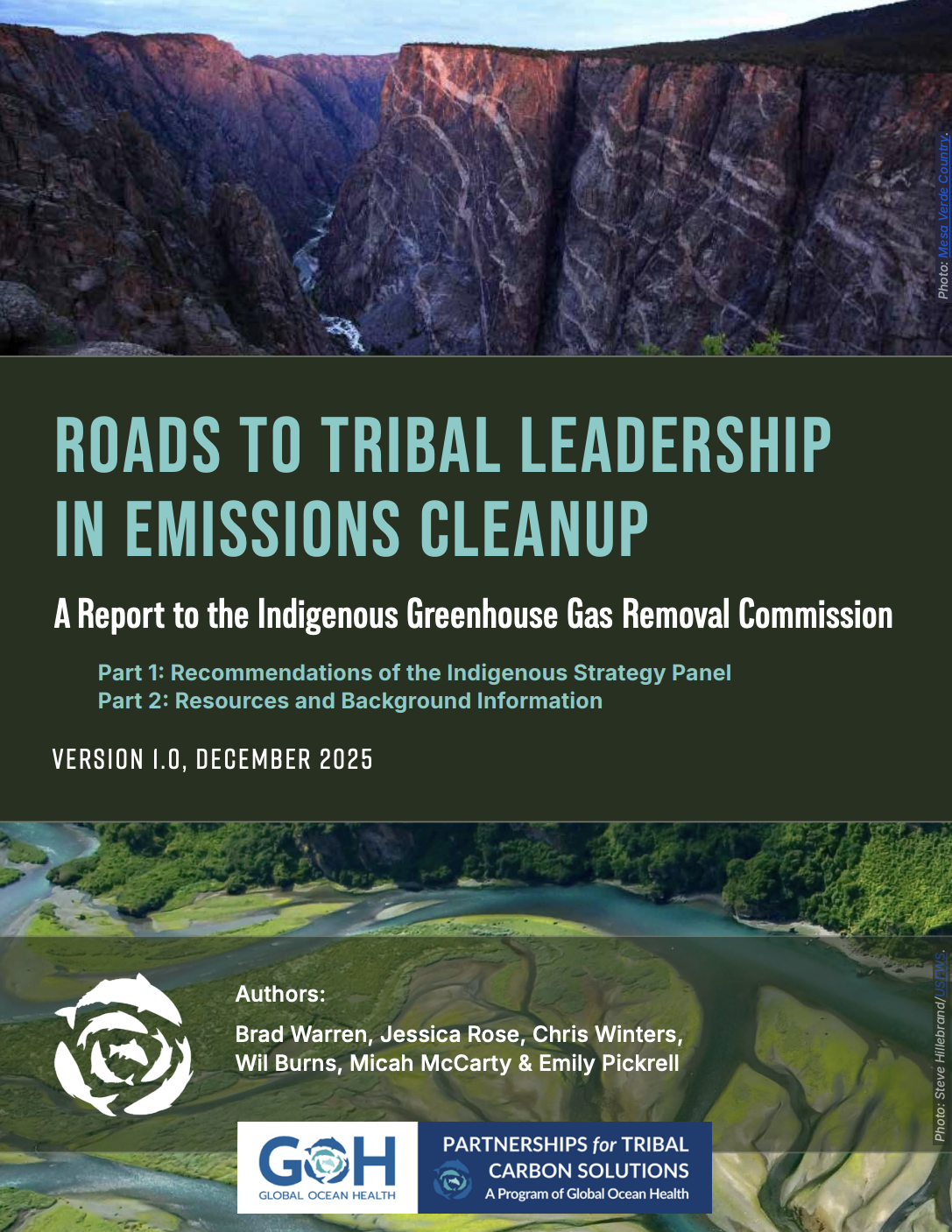
Roads to Tribal Leadership in Emissions Cleanup Report Released
March 2026
PTCS and Global Ocean Health have released Roads to Tribal Leadership in Emissions Cleanup: A Report to the Indigenous Greenhouse Gas Removal Commission. The report presents strategic recommendations developed by the Indigenous Strategy Panel, a multidisciplinary advisory group convened by Global Ocean Health to support the IGGRC’s early work. It offers a framework to support Tribes as they evaluate opportunities, risks, governance questions, and firm boundaries in this fast-growing field of greenhouse gas removal. -
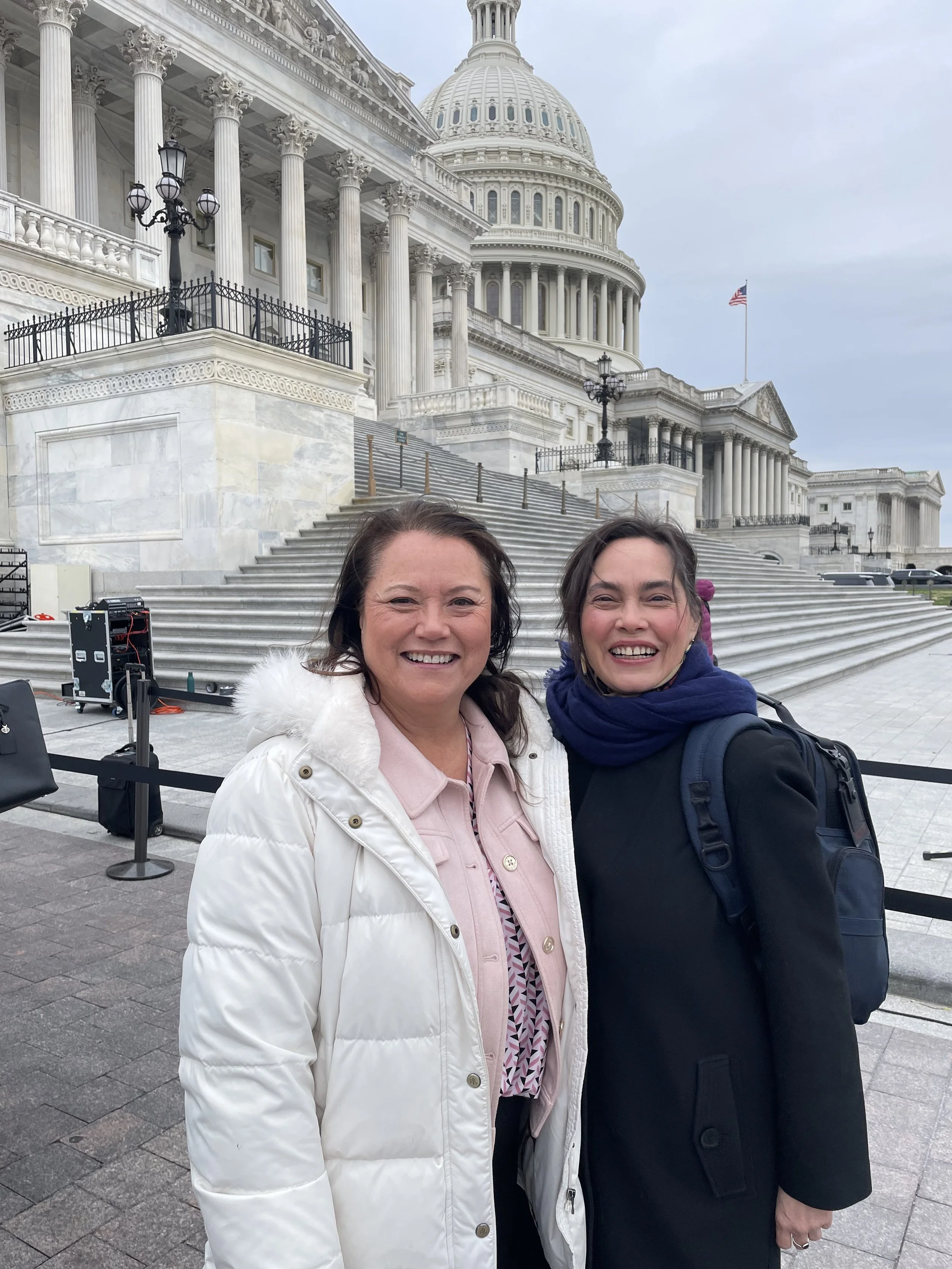
Advancing Ocean Carbon Removal: Tribal Leadership on Capitol Hill
March 2026Francesca Hillery (Global Ocean Health; Indigenous Greenhouse Gas Removal Commission, IGGRC) joined IGGRC President Fawn Sharp, former President of the National Congress of American Indians, at Carbon to Sea’s 2026 Hill Day, where they met with Republican and Democratic Members of Congress and their staff to discuss ocean-based carbon dioxide removal (oCDR). Across nearly 50 Congressional offices, conversations focused on advancing responsible oCDR research and development and ensuring that emerging approaches reflect Tribal perspectives and priorities.
-

Initiative Launches to Support Tribal Sovereignty in Carbon Removal
August 2025A new initiative provides expertise and resources for Tribes to explore their options in carbon removal, a form of pollution cleanup that complements emission reduction. The initiative, known as Supporting Tribal Sovereignty in Carbon Removal, is a joint effort of Global Ocean Health’s Partnerships for Tribal Carbon Solutions, the Indigenous Greenhouse Gas Removal Commission (IGGRC), the Carbon Business Council, and the Institute for Responsible Carbon Removal at American University.
-
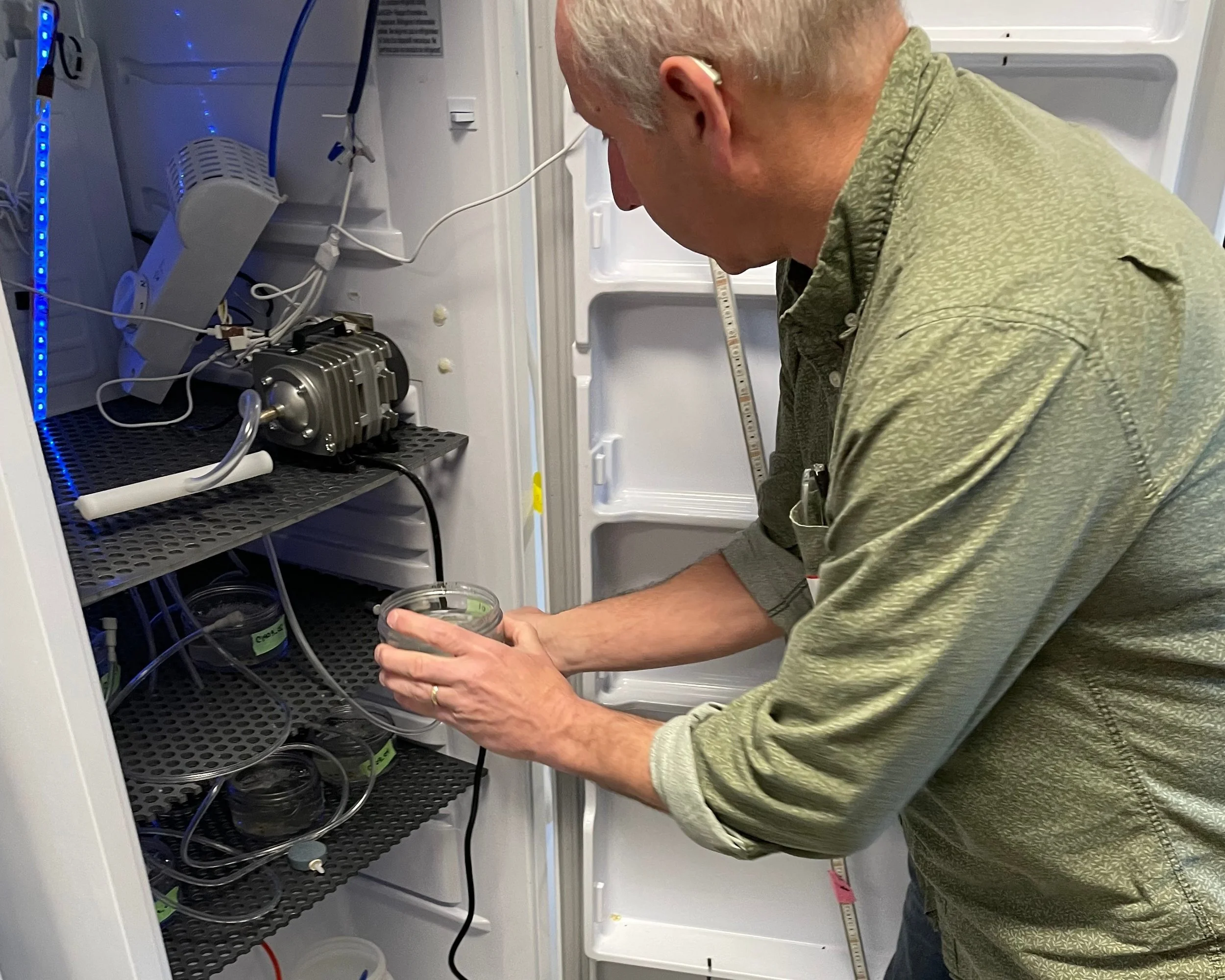
PTCS Organizes Montlake NOAA Labs Tour for Tribal Scientists
April 2024On April 17, 2024, PTCS organized a tour for tribal scientists of Dr. Paul McElhany’s research lab at NOAA’s Montlake Lab in Seattle. Dr. McElhany is studying shellfish responses to ocean alkalinity enhancement (OAE). His studies on crabs and bivalves can provide an early view of methods and options for Tribes and others who are building capacity to evaluate, manage, or undertake projects in the fast-growing new field of marine carbon removal.
-

Carbon/Greenhouse Gas Reduction: Paving the way for tribal economic sovereignty
Tribal Business News
Feb 3, 2024 · 5 min readIs the development of the CDR and greenhouse gas reduction industries offering Indian Country a compelling opportunity to take charge of its own economic destiny and to throw off Native reliance on the assistance of the federal government? Many Natives in economic development activities think so.
-

Combined Indigenous CDFI/CDE Might Boost Tribal Carbon Removal Efforts
Tribal Business News
July 23, 2023 · 5 min readCDFIs are a logical candidate to help tribes increase access to capital for CDR and greenhouse-gas reduction, but they tend to be on the small side, suggesting that a hybrid encompassing another type of financial institution may help. An intriguing model is a combination Native CDFI / Native CDE.
-

Tribes and dairy farmers made a model renewable energy program
NPR’s All Things Considered
July 19, 2023 · 5 min readTulalip Tribes and Werkhoeven Dairy in Monroe, Washington collaborate to capture methane from cow manure and other organic waste that powers a generator, producing enough renewable energy for nearly 700 homes.
-
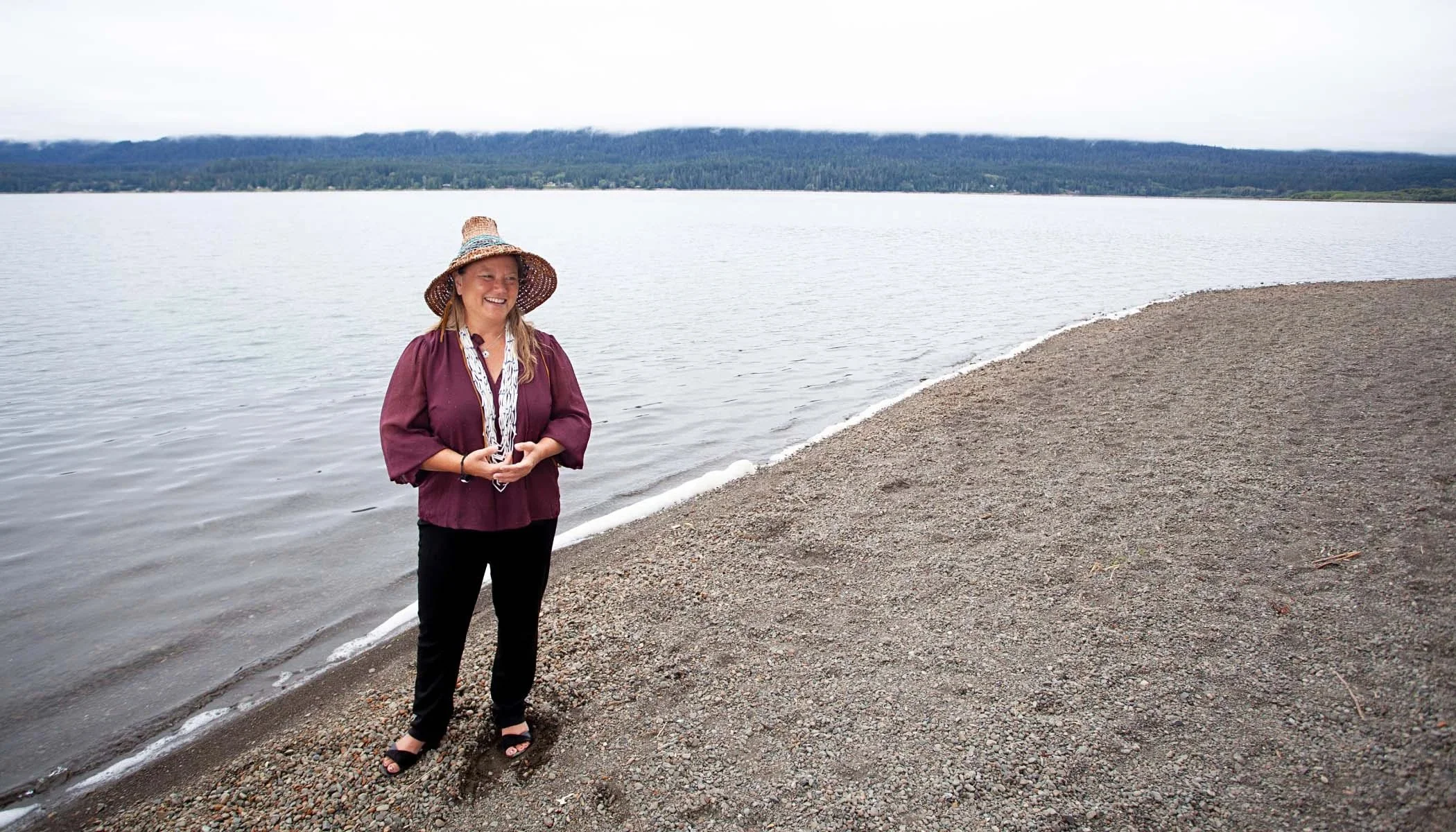
Tribal Nations Launch Collaboration to Address Climate Crisis
PRESS RELEASE
Dec 1, 2022 · 5 min read
New program aims to support Tribes on carbon pollution cleanup
Collaboration in British Columbia
October 2022
Canadian clean energy company, Huron Clean Energy with its partners, The Upper Nicola Band, Oxy Low Carbon Ventures and Carbon Engineering, announced that preliminary engineering and design has begun on a large-scale, commercial facility in British Columbia that would produce transportation fuel out of atmospheric carbon dioxide. Learn more here.
“It really sunk in that, yeah, we need to do something. So we rolled up our sleeves and started talking to individuals. And Carbon Engineering came and said, Let's work together. And we said, Yeah, let's do it.”
-Chief Harvey McLeod of the Upper Nicola Band
